SEPTEMBER 2026 REPORT
2026 Private Equity Climate Risks Scorecard & Report
This scorecard report ranks the top 20 global private equity firms invested in fossil fuel infrastructure by a set of metrics analyzing the firms’ energy portfolios, their emissions, and the firms’ alignment with climate standards.

With over a trillion dollars in energy investments that generate high greenhouse gas emissions, private equity firms have an outsized role in accelerating the climate crisis.
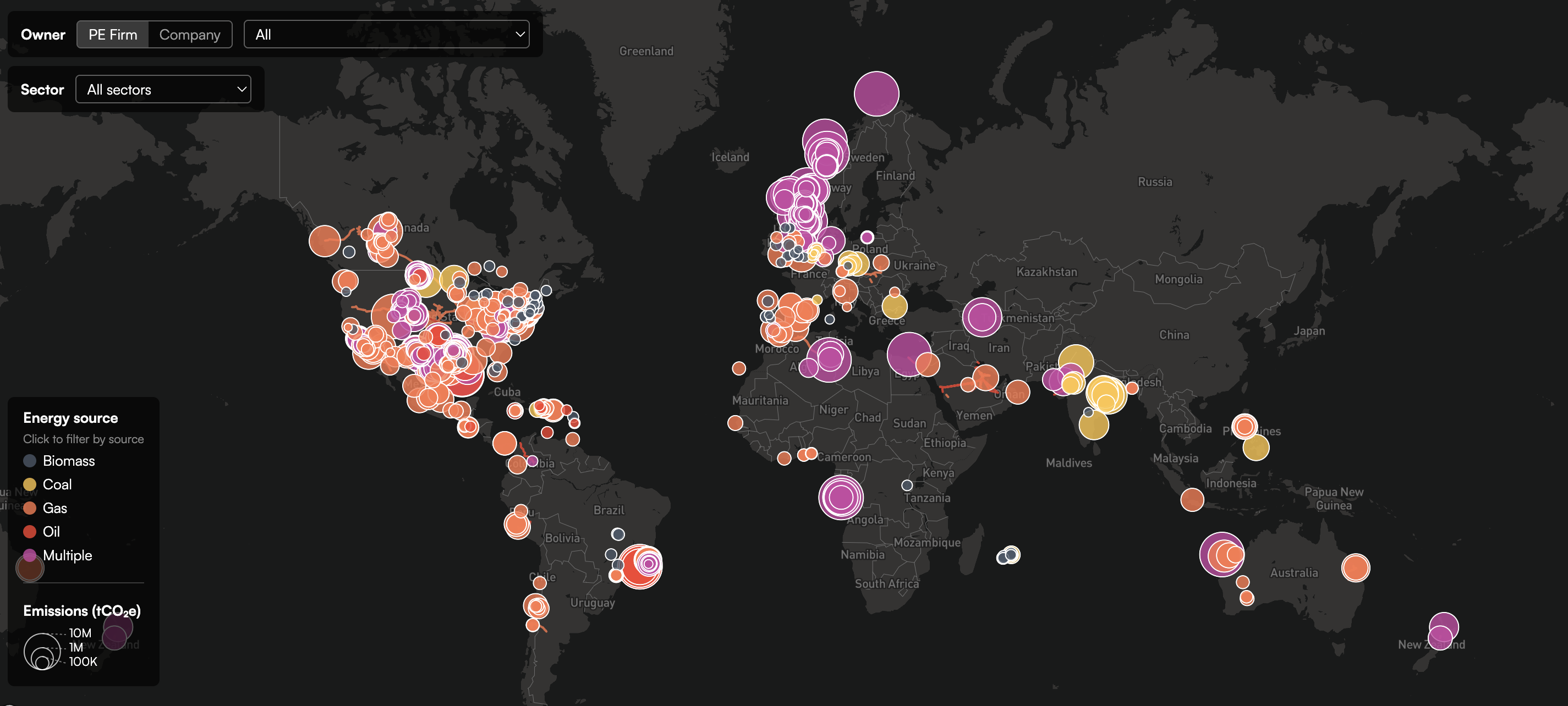
Private equity firms have become significant owners of global energy infrastructure, with investment decisions that increasingly shape the pace and direction of the energy transition. New research for this edition of the scorecard shows that 20 private equity firms –which control a combined 7.3 trillion dollars in assets under management—backed at least 244 energy companies that owned and operated over 1,050 fossil fuel assets around the world.
These energy portfolios together produced an estimated 1.5 gigatons of harmful greenhouse gas emissions annually. This far outstrips the annual emissions from entire industries, like international shipping and aviation. Compared to the fossil fuel emissions of entire countries, these 20 private equity firms taken together rank fifth, behind only China, the U.S., India, and Russia.
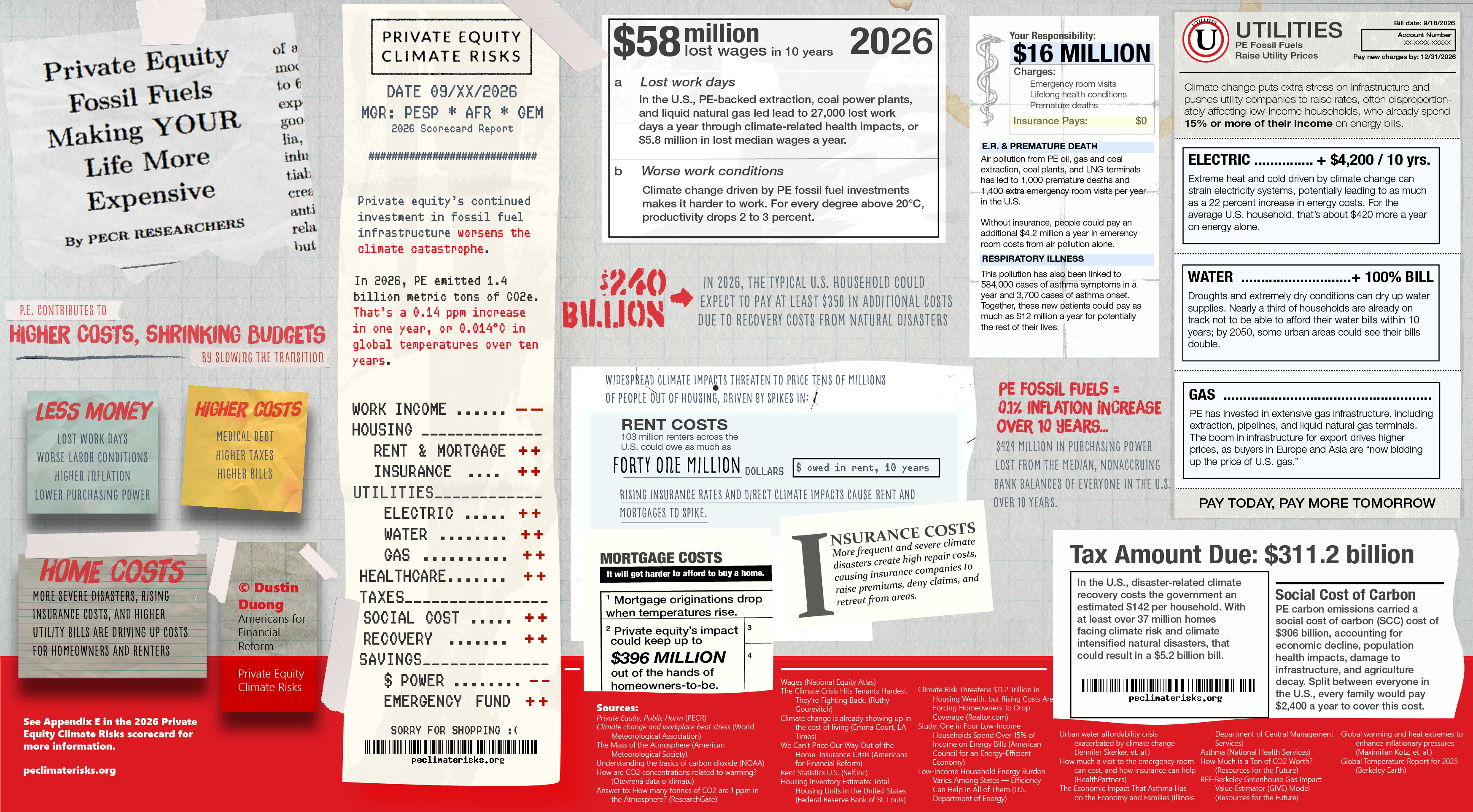
Private equity firms continue to maintain substantial ownership of fossil fuel assets that contribute to greenhouse gas emissions and climate risk. The resulting climate impacts—including more frequent and severe extreme weather events, rising insurance costs, infrastructure damage, and economic disruption—are ultimately borne by workers, consumers, governments, and communities.
The expanded 2026 Private Equity Climate Risks Scorecard includes an analysis of the emissions from a broad set of asset classes, including upstream oil, gas, and coal extraction and exploration; midstream oil and gas pipelines, liquefied natural gas (LNG) terminals, LNG tankers, and coal terminals; and downstream coal, biomass, gas, and/or oil-based power generation assets. Together, these firms owned 15,000 miles of pipelines, 124GW of capacity in 324 fossil fuel plants—nearly a tenth of which were coal-fired—and hundreds of oil and gas fields across the world.
A new analysis of the performance of dedicated oil and gas private equity funds active since 2001 that have completed their investment lifecycle found that private equity’s fossil fuel investments have been a poor value proposition for investors. The median fund has returned just two percent more than investors contributed. The inflation-adjusted returns of private equity energy funds have been negative, with investors losing money on average.
Explore Case Studies here
|
Private equity accelerates data center buildout, harming frontline communities and worsening the climate crisis
|
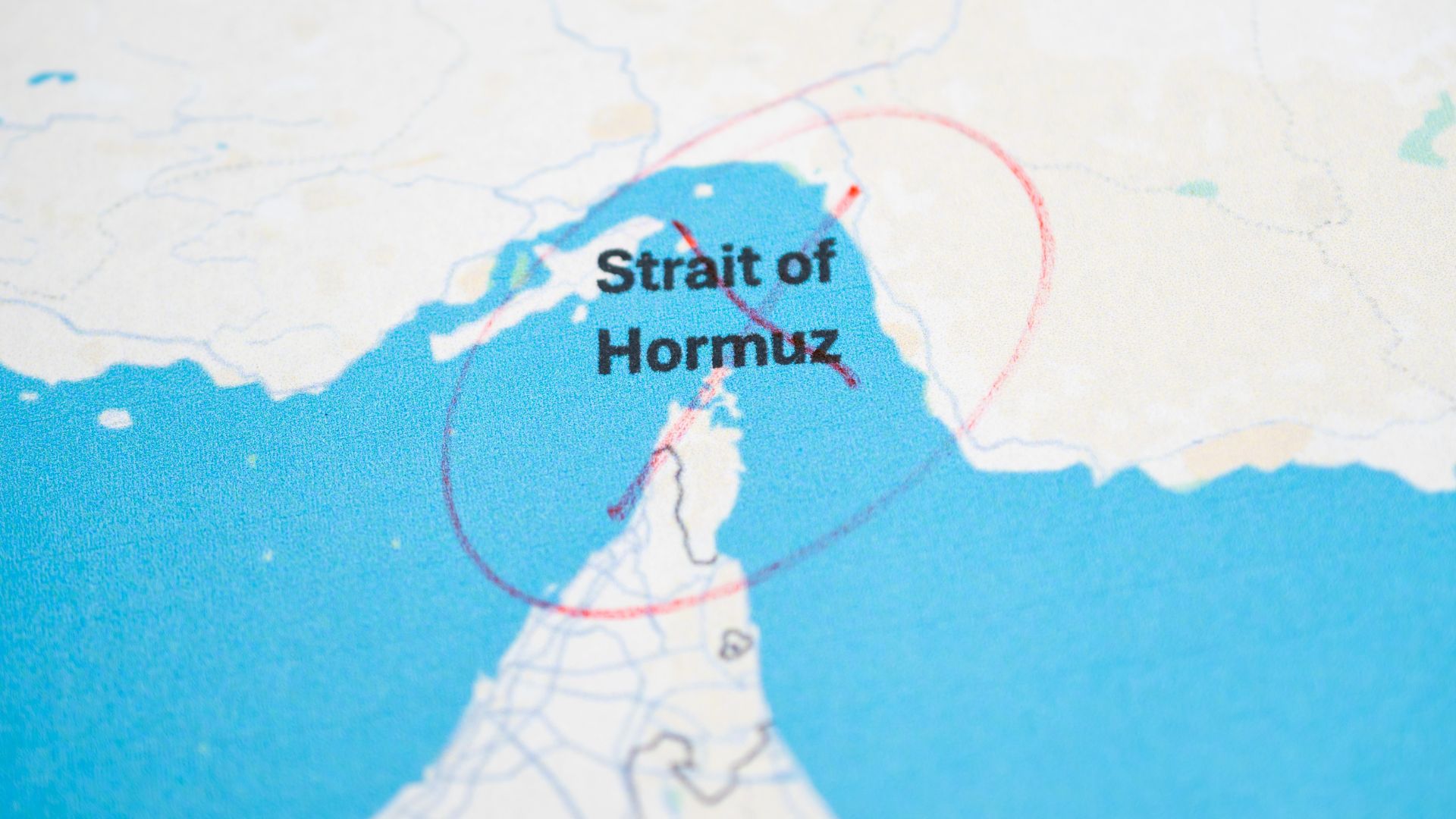
Private equity firms back high-emitting energy infrastructure in geopolitically risky areas
|

Climate Standards for Private Equity
This report brings much-needed scrutiny to the fossil fuel holdings of 2 private equity firms, including major buyout firms, infrastructure firms, and energy specialists. It ranks these firms based on their fossil fuel assets, emissions, and progress toward an energy transition, aligning with five key climate standards:
-
Align with Science-Based Climate Targets to limit global warming to 1.5⁰C.
-
Disclose Fossil Fuel Exposure, Emissions, and Impacts transparently.
-
Report a Portfolio-Wide Energy Transition Plan to guide the shift to clean energy.
-
Integrate Climate and Environmental Justice into their business strategies.
-
Provide Transparency on Political Spending and Climate Lobbying efforts.
Most of the 20 firms studied in the Scorecard have shown limited progress towards aligning their portfolios to limit the impacts of climate change.
Endorsing organizations
Together, Americans for Financial Reform Education Fund, Global Energy Monitor and the Private Equity Stakeholder Project, along with ACRE-BCG, Bank.Green, Carrizo Comecrudo Tribe, Coastal Watch Association, CURE, Divest Oregon, Earthworks, Food & Water Watch, Green America, Greenpeace, Gulf Finance Hub, LINGO, LittleSis, Majority Action, New Energy Economy, Public Citizen, Rainforest Action Network, Shift: Action for Pension Wealth & Planet Health (a project Makeway), Sierra Club, Stand.earth, and Urgewald call on private equity firms to implement these standards and reduce climate and financial risks associated with their current and future investments.
Private equity firms’ limited and uneven movement towards aligning with a just climate future, as reflected in this scorecard, is more than a bad mark for corporate reputation; it reflects ongoing harm to our communities, global economy, and climate in the midst of intensifying climate and affordability crises. In light of these dual crises, private equity’s investors, as well as policymakers and regulators responsible for the stability of the financial markets, should renew their push for transparency and a just transition to a clean energy future, one that improves liveability and long-term economic viability for us all.